 Version 5.4
| Bos taurus Gene: TSPAN6 | |||||||||
|---|---|---|---|---|---|---|---|---|---|
| Summary | |||||||||
| InnateDB Gene | IDBG-633216.3 | ||||||||
| Last Modified | 2014-10-13 [Report errors or provide feedback] | ||||||||
| Gene Symbol | TSPAN6 | ||||||||
| Gene Name | Tetraspanin-6 | ||||||||
| Synonyms | |||||||||
| Species | Bos taurus | ||||||||
| Ensembl Gene | ENSBTAG00000045550 | ||||||||
| Encoded Proteins |
Tetraspanin-6
|
||||||||
| Protein Structure |

|
||||||||
| Useful resources | Stemformatics EHFPI ImmGen | ||||||||
| Entrez Gene | |||||||||
| Summary |
This gene does not have any Entrez summary - the following is the summary from its human ortholog ENSG00000000003:
The protein encoded by this gene is a member of the transmembrane 4 superfamily, also known as the tetraspanin family. Most of these members are cell-surface proteins that are characterized by the presence of four hydrophobic domains. The proteins mediate signal transduction events that play a role in the regulation of cell development, activation, growth and motility. This encoded protein is a cell surface glycoprotein and is highly similar in sequence to the transmembrane 4 superfamily member 2. The use of alternate polyadenylation sites has been found for this gene. [provided by RefSeq, Jul 2008] The protein encoded by this gene is a member of the transmembrane 4 superfamily, also known as the tetraspanin family. Most of these members are cell-surface proteins that are characterized by the presence of four hydrophobic domains. The proteins mediate signal transduction events that play a role in the regulation of cell development, activation, growth and motility. The protein encoded by this gene is a cell surface glycoprotein and is highly similar in sequence to the transmembrane 4 superfamily member 2 protein. It functions as a negative regulator of retinoic acid-inducible gene I-like receptor-mediated immune signaling via its interaction with the mitochondrial antiviral signaling-centered signalosome. This gene uses alternative polyadenylation sites, and multiple transcript variants result from alternative splicing. [provided by RefSeq, Jul 2013] |
||||||||
| Gene Information | |||||||||
| Type | Protein coding | ||||||||
| Genomic Location | Chromosome X:50904005-50912844 | ||||||||
| Strand | Forward strand | ||||||||
| Band | |||||||||
| Transcripts |
|
||||||||
| Interactions | |||||||||
| Number of Interactions |
This gene and/or its encoded proteins are associated with 0 experimentally validated interaction(s) in this database.
They are also associated with 8 interaction(s) predicted by orthology.
|
||||||||
| Gene Ontology | |||||||||
Molecular Function |
|
||||||||
| Biological Process |
|
||||||||
| Cellular Component |
|
||||||||
| Orthologs | |||||||||
|
Species
Homo sapiens
Mus musculus
|
Gene ID
Gene Order
|
||||||||
| Cross-References | |||||||||
| SwissProt | Q32KU6 | ||||||||
| TrEMBL | |||||||||
| UniProt Splice Variant | |||||||||
| Entrez Gene | 514741 | ||||||||
| UniGene | |||||||||
| RefSeq | NM_001038109 XM_005227755 XM_005227756 | ||||||||
| HUGO | |||||||||
| OMIM | |||||||||
| CCDS | |||||||||
| HPRD | |||||||||
| IMGT | |||||||||
| EMBL | BC109924 | ||||||||
| GenPept | AAI09925 | ||||||||
| RNA Seq Atlas | 514741 | ||||||||
| Transcript Frequencies | |||||||||
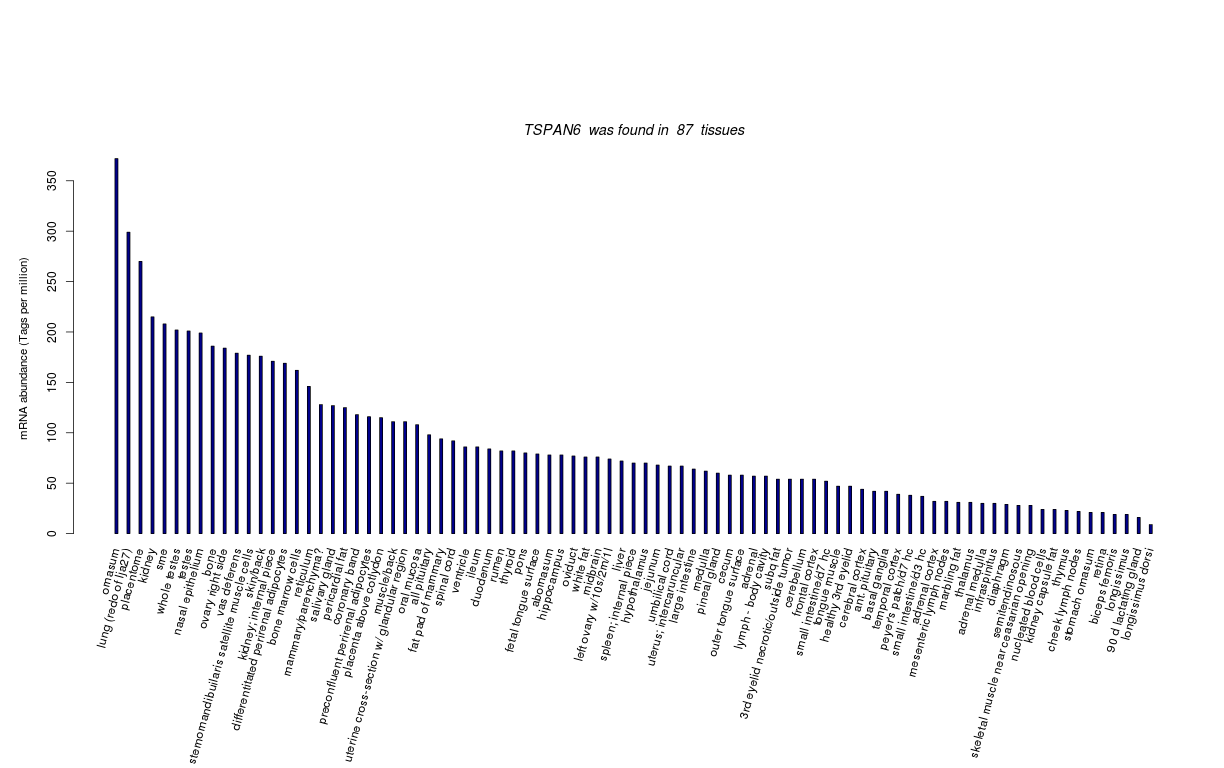
| Tag Count based mRNA-Abundances across 87 different Tissues (TPM).
Based on Data from Bovine Gene Atlas |
(Move your mouse over the image to view a more detailed version) |
||||||||